
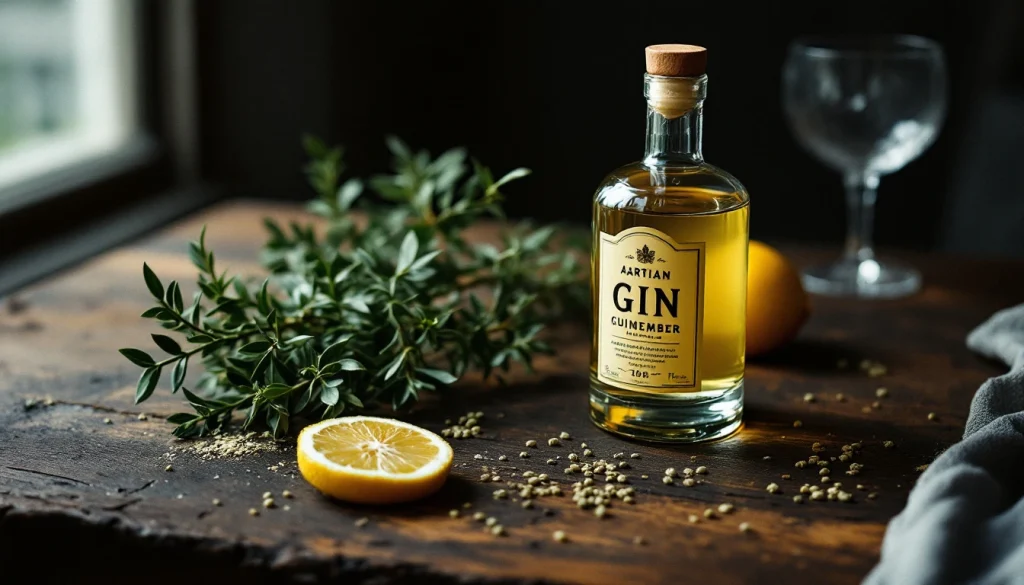

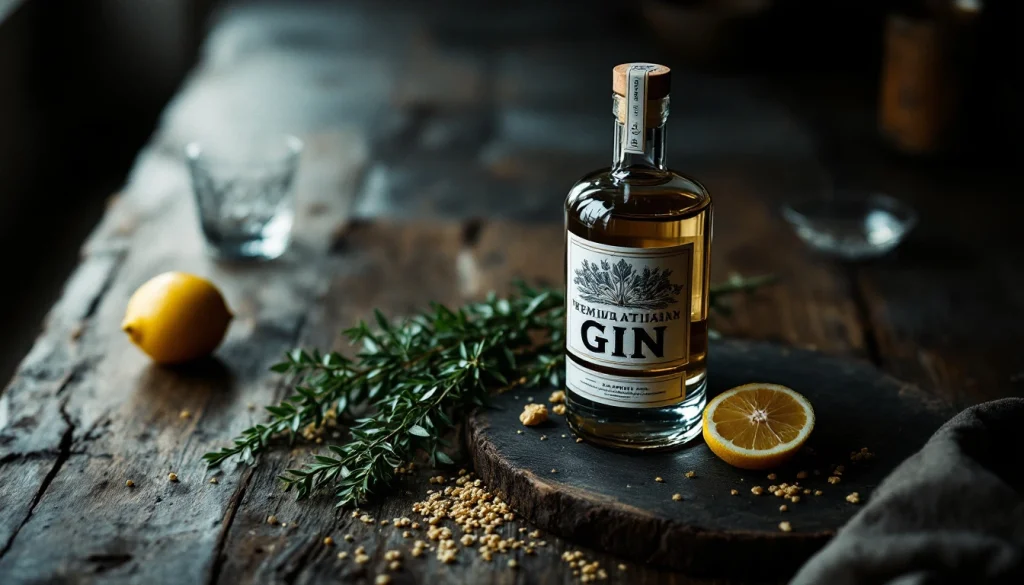
Not every gin announces itself loudly. Some earn attention through quieter means — through considered production, a coherent botanical vision, and a character that reveals itself gradually rather than all at once. Corvus is that kind of gin. Whether you have come across it through recommendation or stumbled upon it while exploring a well-stocked bottle shop, it rewards closer examination.
The Distillery and Its Origins
Corvus takes its name from the Latin word for raven — a bird long associated with intelligence, mystery, and keen observation. It is a fitting name for a gin that appears to prize precision over spectacle. The brand operates with the restrained confidence of a producer that understands what it is making and why, without feeling the need to shout about it. While Corvus does not carry the name recognition of some larger houses, that relative quietness is, in many ways, part of its appeal. It occupies a space in the craft gin landscape where quality speaks more clearly than marketing, and where the bottle on the shelf earns its place on merit.
For those who appreciate exploring distilleries with a strong regional or conceptual identity — producers such as St. George Terroir Gin, whose botanicals are deeply tied to a specific landscape — Corvus will feel familiar in spirit, even if different in character.
Botanicals and Flavour Profile
At its foundation, Corvus follows the structural logic that good gin demands: juniper leads, and the supporting botanicals serve to elaborate rather than overwhelm. Beyond that core, the botanical selection appears to reflect a thoughtful layering of the familiar and the particular. Coriander seed and angelica root provide the structural backbone one would expect, while additional botanicals introduce what seems to be a nuanced interplay of citrus and warmer spice notes.
On the nose, Corvus presents as composed and approachable — juniper is present and clear without being aggressive, accompanied by what may be described as a gentle aromatic lift, suggestive of dried citrus peel and a faint herbaceous quality. The palate follows through with reasonable fidelity to that initial impression. The spirit carries a certain cleanness — well-rectified and controlled — with a mid-palate that leans toward the warm and slightly spiced before a finish that is dry without being austere.
To be measured about it: Corvus is not attempting to be a maximalist gin. It does not pile botanical upon botanical in pursuit of complexity for its own sake. Instead, it pursues balance, and for the most part, it achieves it. Those who prefer their gin to carry an intricate, layered profile — the kind found in something like Ransom Dry Gin — may find Corvus more streamlined by comparison. That is not a weakness; it is simply a different ambition.
How to Drink Corvus
Given its balanced and relatively composed character, Corvus is well suited to a range of serves. We suggest beginning with a simple gin and tonic, which allows the botanical profile to present itself without interference. A neutral or lightly aromatic tonic works well here — avoid anything too assertive, which might obscure the gin’s more understated qualities.
For glassware, a copa glass is the natural choice: its wide bowl concentrates the aromatics and allows you to appreciate the nose before the first sip. A large ice cube or a generous handful of cubed ice will keep dilution at an appropriate pace.
In terms of garnish, a strip of lemon or orange peel — expressed over the glass and rested on the rim — complements the citrus elements that seem present in the botanical blend. A sprig of fresh thyme or rosemary can also work well if you are drawn toward a more herbaceous direction.
For cocktails, Corvus is a capable base for a Martini, where its clean structure and dry finish will hold up to a dry vermouth with confidence. A Negroni is also worth exploring — the botanical character of Corvus may offer an interesting dialogue with the bitterness of Campari, though those who prefer a more robust gin in that application may wish to adjust ratios accordingly.
Who Will Appreciate Corvus
Corvus is, in our view, a gin for the considered drinker — someone who has moved past novelty and is now interested in understanding what gin, at its core, can do. It is particularly well suited to those who appreciate classical gin architecture: juniper-forward, dry, and structured, without the embellishment that defines many contemporary expressions.
It will also appeal to the gin drinker who is building a home collection and wants a reliable, versatile bottle that performs across multiple occasions and serves. Those who have come to appreciate gins like Foundation Gin — expressions that foreground craft and restraint over novelty — are likely to find Corvus a comfortable and satisfying addition to their shelf.
If you are newer to gin and still calibrating your palate, Corvus is a reasonable reference point for understanding what a well-made, balanced spirit looks and tastes like. It does not demand extensive prior knowledge to appreciate.
A Closing Verdict
Corvus is an accomplished gin that earns its place through balance and coherence rather than novelty or provocation. Its botanical profile is considered, its production appears careful, and the result is a spirit that serves its purpose — in the glass and in the cocktail — with quiet reliability. For those willing to give it the attention it invites, Corvus offers more than its understated presentation might initially suggest.