
Some gins announce themselves quietly. Malfy Con Arancia does not. From the moment the bottle arrives on the shelf — deep amber glass, sun-drenched Mediterranean palette — it signals a particular kind of intention. This is a gin with a sense of place, built around one of Italy’s most expressive citrus fruits. Whether that approach appeals to you depends largely on what you look for in a gin, but it is difficult to dismiss without at least giving it a considered pour.
The Distillery and the Story Behind It
Malfy is produced at the Torino Distillati distillery in Moncalieri, a short distance from Turin in the Piedmont region of northern Italy. The distillery has operated since 1906, and while it spent much of its history producing spirits for other brands, the Malfy range — launched around 2016 — gave it a distinct identity of its own. The name is drawn from the Amalfi Coast, the storied stretch of southern Italian coastline synonymous with dramatic cliffs, cerulean water, and an abundance of extraordinary citrus.
Con Arancia, which translates simply as “with orange,” is one of four expressions in the Malfy lineup. It draws on Sicilian blood oranges specifically — a decision that shapes the gin’s character considerably, as blood oranges carry a depth and slight tartness that common sweet oranges do not.
Botanicals and Flavour Profile
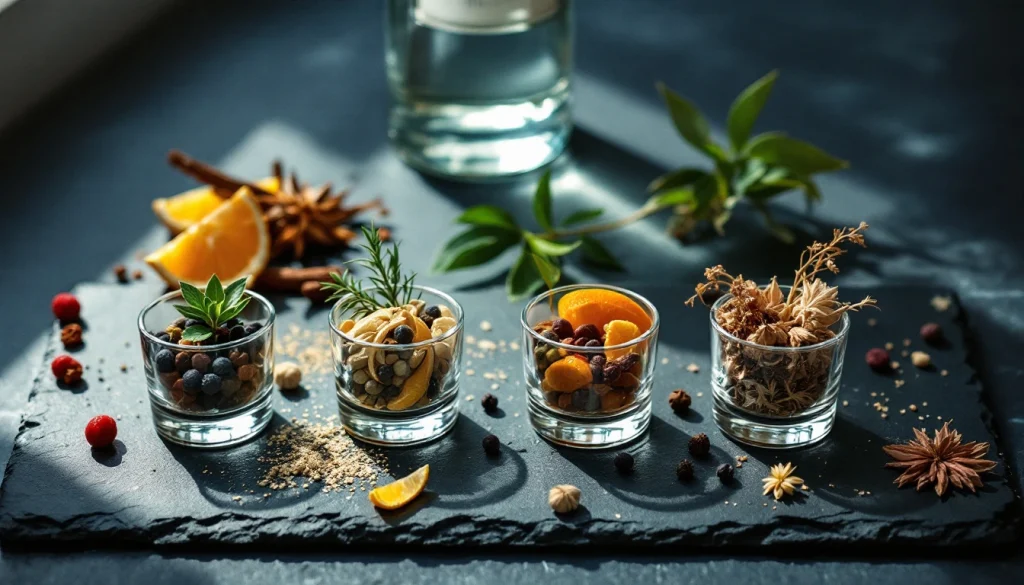
The botanical recipe for Malfy Con Arancia centres on Sicilian blood orange peel, which is macerated before distillation alongside a supporting cast of more traditional gin botanicals. Juniper is present, as it must be, along with Italian juniper berries sourced locally. Coriander, angelica root, and cassia bark round out the core structure, while the blood orange provides the dominant aromatic direction.
On the nose, the blood orange influence is pervasive — warm, slightly tart, and unmistakably Mediterranean. There is a softness to it that suggests careful handling of the maceration, rather than an aggressive extraction. The juniper does not disappear entirely; it sits beneath the citrus in a supporting role, lending some resinous backbone without competing for attention.
On the palate, the gin tends toward a rounded, moderately sweet profile. The blood orange carries through from nose to finish, though it is accompanied by what many tasters describe as a gentle spice note — likely the cassia — and a clean, relatively dry finish. It is not a gin that lingers in complex layers the way a more botanical-forward London Dry might; it is accessible, coherent, and pleasantly citrus-driven throughout.
At 41% ABV, the spirit sits at a modest strength that keeps the experience approachable. Those who appreciate gins that lead with fruit rather than botanicals may find it well-suited to their preferences. For a different point of comparison within the Italian gin landscape, Ginificio Microdistillery’s Ginuno offers an interesting contrast — a more classically structured Italian gin that allows its botanicals to speak in a different register.
It is also worth noting that blood orange-forward gins occupy a particular corner of the market. Beefeater Blood Orange Gin takes a comparable approach from a London perspective, and comparing the two offers a useful illustration of how terroir and sourcing affect the final spirit — Malfy’s Sicilian fruit tends to read as slightly more complex and less overtly sweet than some of its counterparts.
How to Drink It
Malfy Con Arancia performs reliably as a gin and tonic. A light, neutral tonic water — rather than a heavily flavoured one — tends to serve it well, allowing the blood orange to remain the primary aromatic presence rather than becoming crowded. A garnish of fresh blood orange slice or even a sprig of rosemary adds visual appeal and reinforces the fruit-forward character without overcomplicating the drink.
A highball glass with plenty of ice is a reasonable choice for a gin and tonic serve; the extra dilution suits the spirit’s moderate strength and keeps the citrus notes crisp.
Beyond the gin and tonic, Malfy Con Arancia finds a natural home in a Negroni variation. Substituting it for a standard London Dry in a classic Negroni — paired with a quality sweet vermouth and Campari — produces a slightly softer, more citrus-forward version of the cocktail that some drinkers find more approachable than the traditional build. The blood orange and Campari notes complement each other in a way that feels considered rather than accidental.
A simple spritz — Con Arancia over ice, topped with prosecco and a blood orange slice — reflects the spirit’s Italian origins and suits warm-weather occasions particularly well. It is an easy, unhurried way to appreciate what the gin does best.
Who Will Appreciate This Gin
Malfy Con Arancia is well-suited to those who are building confidence with gin, or who have found themselves drawn to fruit-forward expressions rather than the more austere botanical profiles of classic London Dry styles. It does not demand extensive prior knowledge of the category to be enjoyed, and its flavour direction is legible from the first pour.
Those with a particular appreciation for Italian produce and the cuisine and citrus traditions of southern Italy may find an additional layer of interest in what this gin represents. Similarly, anyone who gravitates toward gins like Tanqueray Flor de Sevilla — another widely available citrus-led gin from a major producer — will likely find Malfy Con Arancia occupies a comparable and worthy space in that area of the category.
More experienced gin drinkers who prefer complexity and botanical depth may find it a pleasant occasional pour rather than a daily companion, but there is no reason to dismiss it on those grounds. A gin that does one thing with genuine care is not a lesser achievement than one that attempts many.
A Closing Thought
Malfy Con Arancia is a gin that understands what it is and delivers on that intention with consistency. The Sicilian blood orange is not merely a flavouring afterthought — it is the organising principle of the spirit, and the distillery treats it accordingly. For those drawn to citrus-forward gins with a sense of Italian character, it represents a considered and accessible choice.