
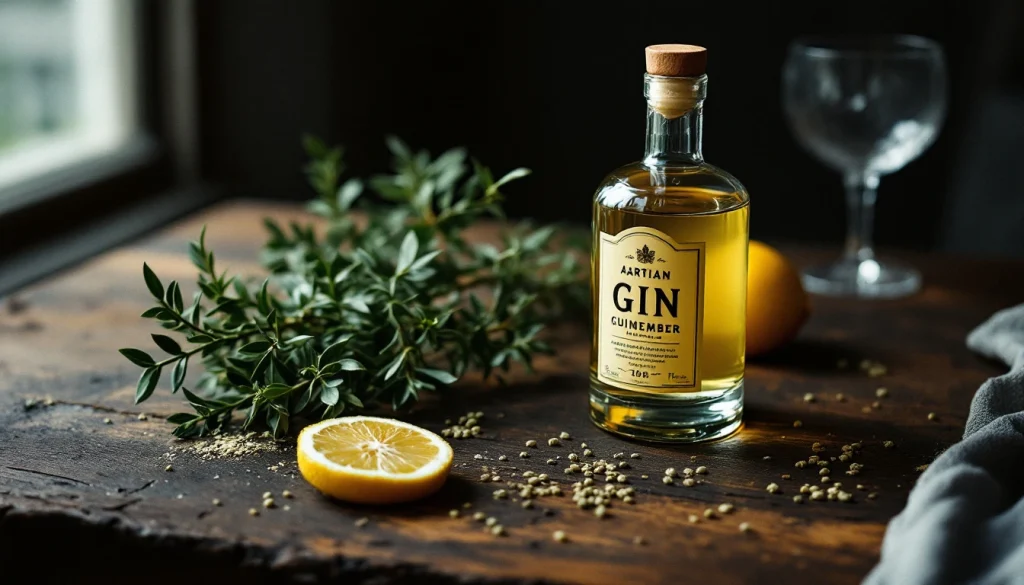
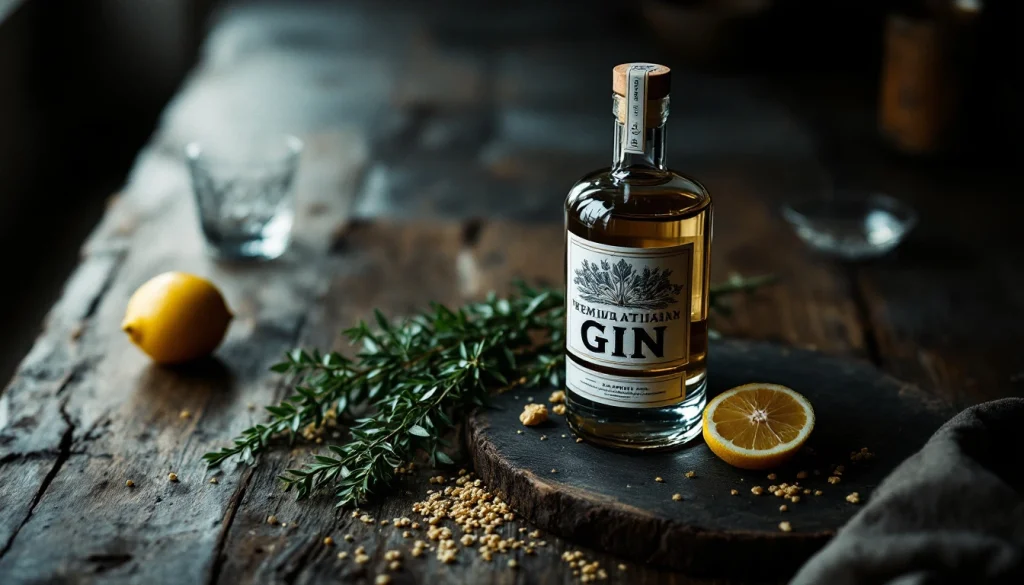
Some gins earn attention through novelty. Others earn it through provenance. Highclere Castle Gin belongs to the latter category — a spirit rooted in a specific place, shaped by a specific landscape, and carrying a sense of history that most craft gins can only gesture toward. That heritage invites both curiosity and scrutiny, and the gin, to its credit, holds up to both.
The Story Behind the Bottle
Highclere Castle, situated in the Hampshire countryside of southern England, is perhaps better recognised to a global audience as the filming location for the television series Downton Abbey. The estate is home to the Earl and Countess of Carnarvon, and it was the Countess, Lady Fiona Carnarvon, who developed Highclere Castle Gin in collaboration with Adam von Gootkin and Peter Inherited of Posh Spirits. The gin launched in 2019 and is distilled at the Berkshire-based St. James Distillery.
The botanical selection draws directly from the walled garden and wider grounds of Highclere itself, which lends the project an authenticity that differentiates it from gins that invoke heritage without meaningful connection to a place. This is not simply a gin that borrows an aristocratic name — it is, at least in spirit, a product of the estate.
Botanicals and Flavour Profile
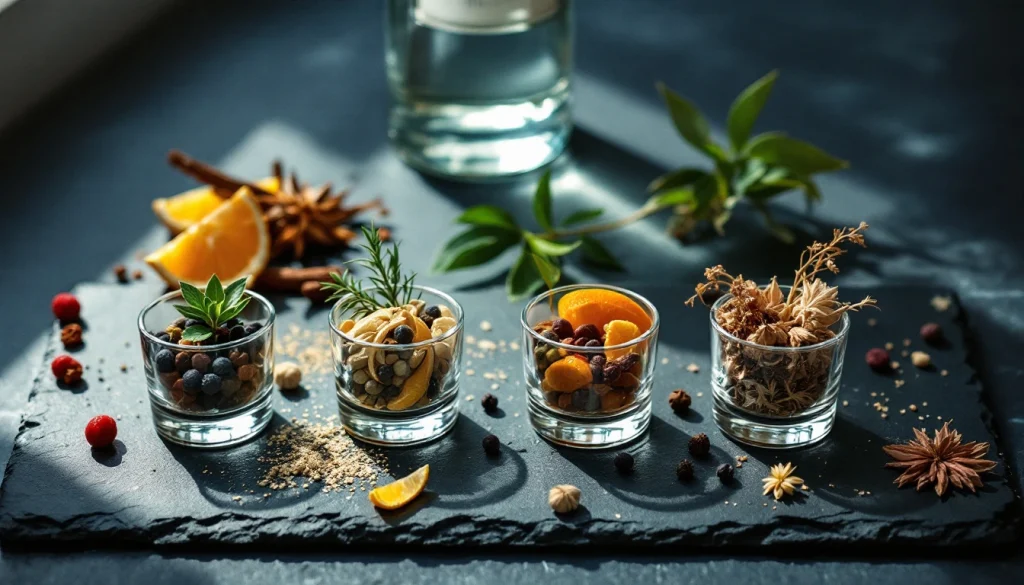
Highclere Castle Gin is built on a botanical bill that reflects the English countryside with some care. Juniper anchors the spirit, as one would expect, but the emphasis here leans toward the floral and herbaceous rather than the resinous. The recipe incorporates lavender — sourced from the Highclere estate — alongside locally grown oats, which are an uncommon inclusion and contribute a gentle, rounded quality to the base. Additional botanicals include linden flowers, lime flowers, ground ivy, and locally foraged ingredients, lending the gin a profile that reads as both pastoral and refined.
On the nose, the gin tends toward the lighter end of the spectrum — floral notes emerge early, with the lavender present but measured rather than dominant. The palate suggests a softness that is consistent with the oat base; this is not a gin that leads with sharp juniper or assertive spice. The finish is relatively clean and understated, which may appeal to those who prefer elegance over intensity.
In broader terms, Highclere occupies a space between a classic English dry gin and a more contemporary floral style — it is approachable without being simplistic, and restrained without being anonymous. Those familiar with Herbarium New Forest Gin, Spring Forest may recognise a similarly landscape-driven sensibility, though Highclere carries a distinctly softer register.
How to Drink It
Given its floral character and relatively understated botanical profile, Highclere Castle Gin is well suited to serves that allow those qualities room to breathe rather than be masked.
With tonic: A classic gin and tonic remains an excellent starting point. We suggest a premium light tonic — something without excessive sweetness — served over ice in a copa glass. A garnish of fresh lavender or a thin slice of cucumber complements the botanical character without overwhelming it.
Neat or with a small measure of still water: For those who wish to understand the gin more fully, sampling it neat or with a few drops of still water is worthwhile. This approach rewards drinkers who appreciate the nuance of floral and herbaceous gins.
In a light cocktail: The gin translates well into delicate, lower-intervention cocktails. A simple gin and elderflower — one part elderflower cordial, three parts gin, topped with sparkling water — honours the botanical character without competing with it. A Martini is also a considered choice here; the gin’s softness works particularly well with a light dry vermouth.
We would generally steer away from serves that involve robust citrus or heavily spiced accompaniments, as these are likely to obscure what makes this particular gin worth exploring in the first place.
Who Will Appreciate This Gin
Highclere Castle Gin is well suited to drinkers who approach gin with an interest in place and provenance — those who find meaning in understanding where a spirit comes from and what landscape it reflects. It is also a sound introduction for those who are less comfortable with intensely juniper-forward styles, given its gentler, more floral disposition.
The gin carries a certain elegance that makes it a thoughtful gift or a considered addition to a curated home bar. Drinkers who appreciate the more botanically expressive end of the English gin tradition — or who have enjoyed similarly terroir-minded expressions such as Castle and Key Harvest Seasonal Gin, which takes a comparable estate-rooted approach from a Kentucky perspective — may find Highclere a rewarding companion.
Those seeking a bold, complex gin with a long and layered finish may find the profile somewhat restrained for their preferences. There is no fault in that — it is simply a matter of what one is looking for in a glass.
A Closing Thought
Highclere Castle Gin is a considered, well-made spirit that wears its provenance honestly — the connection to the estate is genuine, and the botanical profile reflects that landscape with appropriate subtlety. It will not suit every palate, but for those drawn to floral, softly structured English gins with a sense of place, it offers something worth returning to. The bottle, it should be noted, is also quietly beautiful — a detail that is rarely decisive but never irrelevant.