

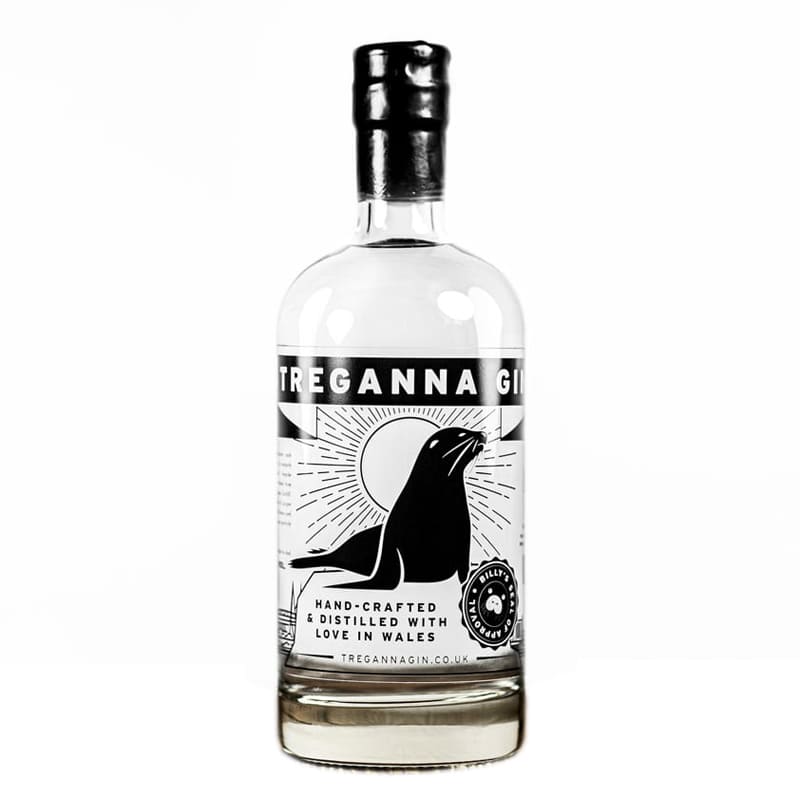

Not every gin announces itself loudly. Some earn attention through restraint — through a considered approach to botanicals, a clear sense of place, and a production ethos that values quality over volume. Treganna Gin belongs to that quieter category, and it is precisely that quality which makes it worth exploring with some care.
The Distillery and Its Origins
Treganna Gin originates from Cornwall, a corner of England with a landscape as distinctive as any gin-producing region in the country. The rugged Atlantic coastline, the salt-laced air, the moorland flora — these are not incidental details. They are the context in which this gin was conceived, and they inform the philosophy behind it.
Like many craft producers that have emerged over the past decade, Treganna operates on a small scale, which allows for a level of attention to detail that larger operations rarely sustain. The name itself is rooted in the Cornish language and landscape, a signal that this is not a gin reaching for a generic identity. It is a product with a specific home and a genuine sense of belonging to it.
Botanicals and Flavour Profile
The botanical selection in Treganna Gin draws, as one might expect, on the natural environment of Cornwall. Juniper provides the essential foundation — present and purposeful without overwhelming the composition. Around it, the distillers have assembled a supporting cast that appears to lean toward coastal and floral notes, with elements that suggest the hedgerows and clifftops of the Cornish peninsula.
While we encourage drinkers to sample Treganna and form their own impressions, the gin appears to offer a profile that is neither aggressively botanical nor overly neutral. There is a sense of balance here — a gin that is approachable on first encounter but rewards closer attention. The nose is likely to suggest fresh, green, and possibly maritime characteristics, while the palate may deliver a pleasing interplay between the juniper backbone and softer, more herbaceous or floral secondary notes.
For those familiar with the broader tradition of British craft gins that foreground local and seasonal botanicals — producers such as Herbarium New Forest Gin, Spring Forest, which also draws heavily on its immediate natural landscape — Treganna will feel like part of a meaningful conversation about what place-based gin production can achieve.
The finish is likely to be clean and measured, characteristic of a well-executed still run where cuts have been made with discipline. This is a gin that respects the drinker’s palate rather than overwhelming it.
How to Drink It
A gin with this kind of botanical character rewards simple serves that allow its nuances to come through. We suggest beginning with a straightforward gin and tonic, using a light, dry tonic water that will not compete with the more delicate elements of the profile. A premium tonic with low sweetness — something like a classic Indian tonic or a Mediterranean-style expression — would serve well here.
For garnish, consider fresh coastal herbs if available, or a simple slice of cucumber and a sprig of thyme. A twist of lemon zest is another measured option that will complement rather than obscure. Avoid heavily fruited garnishes on first encounter — they are better suited to gins with a sweeter, more fruit-forward profile.
Treganna also merits consideration in a classic Martini, where its botanical character can be fully appreciated without distraction. A three-to-one ratio with a dry vermouth, stirred over ice and served in a chilled coupe, would be an instructive way to understand what this gin is doing. A small measure of Lillet Blanc in place of vermouth is another approach worth exploring if you appreciate a slightly softer, more floral finish.
For those drawn to longer, more relaxed drinks, a Collins build — gin over ice with fresh lemon juice, a little simple syrup, and topped with soda water — would allow the lighter botanical notes to breathe in a refreshing context.
Who Will Appreciate This Gin
Treganna is unlikely to be the gin that draws in a drinker seeking maximum boldness or sweetness. Its appeal is more nuanced than that, and its audience reflects accordingly.
Those who appreciate gins with a genuine sense of provenance — where the landscape of origin is not merely a marketing gesture but something felt in the glass — will find Treganna a satisfying exploration. It is well suited to gin drinkers who have moved beyond the entry-level expressions and are actively curious about regional British craft production.
It also merits attention from those who enjoy gins with a coastal or botanical-forward character. Drinkers who have appreciated the considered approach of producers like Edinburgh Gin Seaside, with its own orientation toward maritime botanical notes, may find Treganna offers a complementary perspective from the south of England. Similarly, those drawn to gins that prioritise balance over spectacle — the kind of spirit that works equally well in a simple mixed drink and in more considered cocktail applications — will find much to return to here.
Newer gin drinkers who are beginning to develop their palate for British craft expressions would also do well to include Treganna in their exploration. It is accessible without being simplistic, which is a balance that not all craft producers manage to achieve.
A Closing Thought
Treganna Gin represents the kind of careful, place-conscious craft distillation that has made Cornwall an increasingly interesting region to follow within the British gin landscape. It is a gin that invites attention rather than demanding it, and that restraint is, in its own way, a mark of confidence. For those willing to approach it on its own terms, it offers a genuine and rewarding encounter with what this corner of England can produce.


