
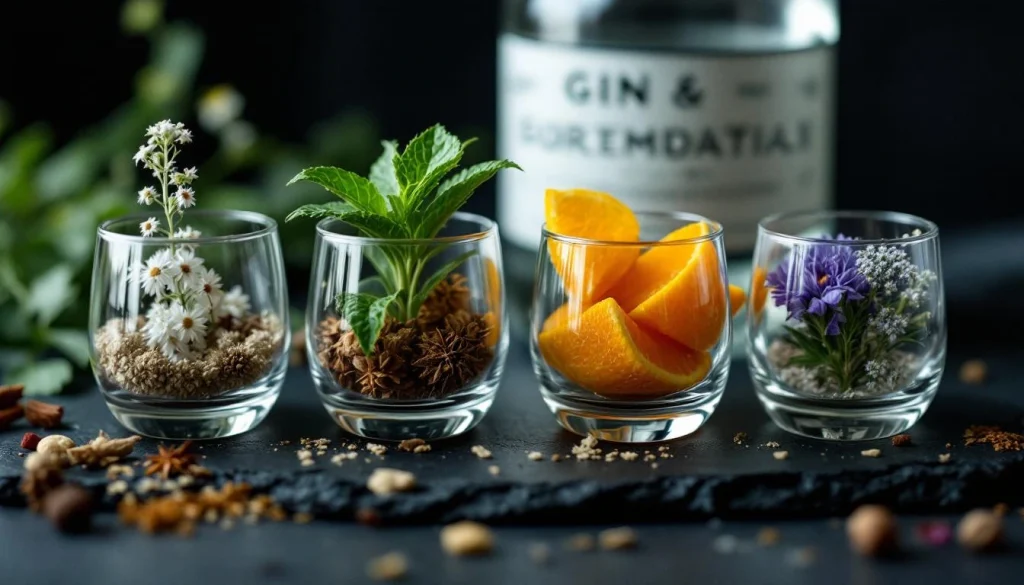
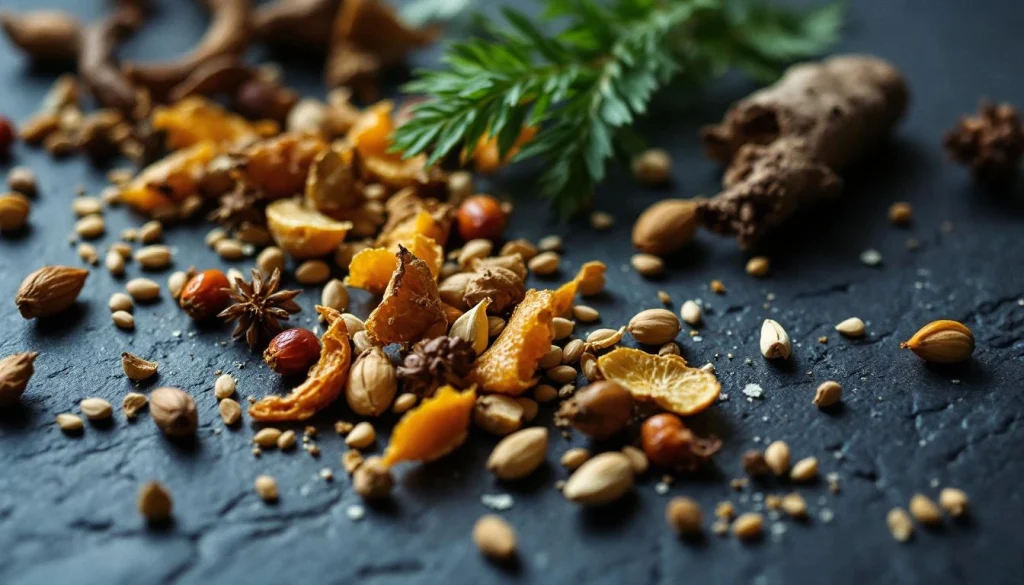
Gin is, at its core, a remarkably consistent spirit — juniper-forward, botanical-driven, and endlessly versatile. And yet, within that consistency lies a remarkable breadth of expression. The category spans centuries of tradition and decades of reinvention, which means that the gin you encounter in a classic Martini and the one you find in a vibrant contemporary cocktail may share a legal definition while tasting like entirely different propositions. Understanding the types of gin helps you navigate that range with confidence — and helps you find the styles that genuinely suit your palate.
What follows is a practical, considered guide to the principal gin styles: what defines them, how they differ, and where to begin exploring each one.
The Classics: London Dry, Old Tom, and Plymouth
Any meaningful conversation about types of gin begins with London Dry. Despite the name, London Dry is not a geographic designation — it is a production standard. London Dry gin must derive all of its flavour from botanicals redistilled with neutral spirit; nothing may be added after distillation except water and, in trace quantities, sweetener. The result is characteristically clean, dry, and juniper-led, with supporting botanicals that vary by producer but rarely overwhelm the spirit’s fundamental character.
London Dry remains the most widely produced gin style in the world, and its influence on the broader category is difficult to overstate. Producers as varied as Greater Than London Dry Gin from India, Kunstwerk London Dry Gin from Germany, and Artingstall’s Brilliant London Dry Gin from the United States all work within this framework while bringing their own regional botanical perspectives to bear.
Old Tom gin occupies a fascinating historical position — a bridge between the sweeter, less refined gins of the eighteenth century and the drier London Dry style that came to define the nineteenth. Old Tom is lightly sweetened, though the degree varies considerably between producers. It was the style used in many of the earliest classic cocktails, including the Tom Collins and the Martinez, and it has experienced a considered revival in recent decades. Four Pillars Old Tom Gin from Australia offers a thoughtful contemporary interpretation of this older tradition.
Plymouth Gin, meanwhile, is both a style and a protected geographic designation — it must be produced in Plymouth, England. It sits stylistically between London Dry and Old Tom: drier than the latter, but with a rounder, earthier quality — particularly from the Dartmoor water used in its production — that distinguishes it from a classic London Dry.
Navy Strength: Intensity With Purpose
Navy Strength gin is defined by its alcohol content: a minimum of 57% ABV. The name references the historical practice of storing gin alongside gunpowder on Royal Navy ships — at 57% ABV, a spirit-soaked powder would still ignite, providing a practical measure of proof. Today, the designation signals something more than history. At higher strength, botanicals become more pronounced, more assertive, and the spirit carries considerably more weight in a mixed drink.
Navy Strength gins are not simply stronger versions of their base expressions. The elevated ABV reshapes how botanicals present themselves, often amplifying resinous juniper, spice, and citrus notes in ways that a standard-strength gin cannot replicate. The style has found particular resonance in Australia, where producers such as Four Pillars Navy Strength Gin, Prohibition Liquor Co Navy Strength, and Australian Distilling Co. Navy Gin have made the style their own. Elsewhere, O’Gin New Navy and Devils Thumb Distillery Navy Strength Gin demonstrate the style’s global reach.
If you appreciate intensity and botanical depth, a well-made Navy Strength gin in a simple gin and tonic — with a little extra tonic to compensate for the strength — is a worthwhile exploration.
Contemporary and New Western Styles: Where Gin Expands
Perhaps the most significant development in gin over the past two decades has been the emergence of what many refer to as contemporary or New Western gin — expressions where juniper, while present, is no longer the dominant force. Distillers in this space elevate other botanicals: citrus, florals, spice, herbs, or locally foraged ingredients that tell a specific story about place.
This is the style that has most dramatically expanded gin’s audience, inviting drinkers who previously found traditional gin too sharp or too resinous to explore the category on their own terms. It is also the style that has given regional producers the most creative latitude. ST. GEORGE TERROIR GIN from California evokes the coastal fog and Douglas fir of Northern California in its botanical selection. Hapusa Himalayan Dry Gin from India uses Himalayan juniper alongside local botanicals such as turmeric and gondhoraj lime. Nozawa Gin and Shiso Gin from Japan demonstrate how deeply Japanese botanical traditions — green tea, shiso, yuzu — can be woven into a gin’s identity without diminishing its essential character.
Within this broader contemporary category, several sub-styles are worth noting. Aged gin, or barrel-rested gin, spends time in wood — typically ex-whisky or ex-wine casks — developing warmth, vanilla, and a softened botanical profile that places it in interesting dialogue with whisky. AGED GIN TRAIT-CARRÉ 1665 and Bluecoat Barrel Finished Gin both represent this approach with evident care. Collesi Gin Barrel from Italy adds another European perspective on wood-rested gin.
Sloe gin, though technically a gin liqueur rather than a gin in the strict legal sense, deserves mention here. Made by steeping sloe berries in gin and adding sugar, it has a long English heritage and a deep, fruit-forward character that makes it well suited to cold-weather drinking. The Elephant Gin German Sloe Gin offers an interesting European interpretation of this traditionally British style.
Flavoured Gins: A Category Worth Approaching Thoughtfully
Flavoured gin — gin to which fruit, botanical extracts, or other natural flavourings are added after distillation — represents one of the fastest-growing segments of the broader category. Strawberry, rhubarb, elderflower, citrus, and violet expressions line the shelves of most spirits retailers, and the range is genuinely diverse in quality and intent.
It is worth approaching this segment with some discernment. At its best, flavoured gin is an extension of the botanical philosophy that underpins the category — a deliberate, considered addition that complements rather than overwhelms the spirit beneath. Glendalough Wild Rose Irish Gin uses hand-foraged wild rose petals with evident purpose. Malfy Con Arancia draws on Sicilian blood orange with the kind of bright, sun-warmed clarity that reflects its origins. Ha’Penny Rhubarb from Dublin brings a tart, considered quality to the rhubarb style.
Pink gin — broadly, any gin that carries a pink or red hue, usually from fruit or floral additions — has become a visible and commercially significant sub-category. Expressions such as The Herbarium Dry Pink Gin Coastal Summer and Tanqueray Flor de Sevilla demonstrate that the style can carry genuine botanical sophistication alongside its visual appeal.
If you are exploring flavoured gins for the first time, we suggest beginning with expressions that use a clear botanical logic — fruit or botanicals native to the region of production, or a flavour that complements the gin’s juniper foundation rather than replacing it entirely.
Finding Your Way Through the Category
The range of gin styles available today is broader than it has ever been. That breadth can feel overwhelming, but it is more usefully understood as an opportunity. Whether you are drawn to the austere clarity of a well-made London Dry, the intensity of a Navy Strength expression, the creative latitude of a contemporary botanical gin, or the gentle accessibility of a flavoured expression, there is a style — and within that style, a specific gin — that will reward your attention.
We suggest using style as your starting point rather than brand or reputation. Once you understand what a given type of gin is designed to do, choosing individual expressions becomes a more intuitive and more enjoyable process. The Gin Observer directory is a useful place to continue that exploration, with listings organised by region, style, and botanical profile to help you navigate the category at your own pace.