
Sloe gin occupies a particular corner of the spirits world — unhurried, fruit-forward, and rooted in a long tradition of patience. When a distillery with strong conservation values and a distinctive botanical philosophy turns its attention to sloe gin, the result tends to reward closer inspection. The Elephant Gin, German Sloe Gin is precisely that kind of expression: considered, purposeful, and shaped by a philosophy that extends well beyond the bottle.
The Distillery and Its Story
The Elephant Gin is produced in the Schwarzenbek region of northern Germany, not far from Hamburg. The brand was founded in 2013 by Robin Gerlach and Tessa Gerlach, with a mission that connects the craft of distillation to African wildlife conservation. Five percent of every bottle sold is donated to elephant conservation foundations — a commitment that gives the brand a sense of purpose that feels genuine rather than performative.
The Hamburg gin scene has quietly earned its place on the wider European map, and The Elephant Gin has been central to that reputation. The distillery works with botanicals sourced from Africa and Europe, and that dual-continent sensibility carries through to their sloe gin expression as well. If you are curious about other spirits emerging from Germany’s northern cities, Ginnlich Hamburg Dry Gin offers an interesting point of comparison from the same region.
Botanicals and Flavour Profile
Sloe gin, as a category, is defined by its base spirit and the maceration of sloe berries — the small, tart fruit of the blackthorn shrub. What distinguishes one sloe gin from another is largely the quality of the base gin, the ratio of fruit to spirit, the duration of maceration, and any additional botanicals introduced alongside the sloes.
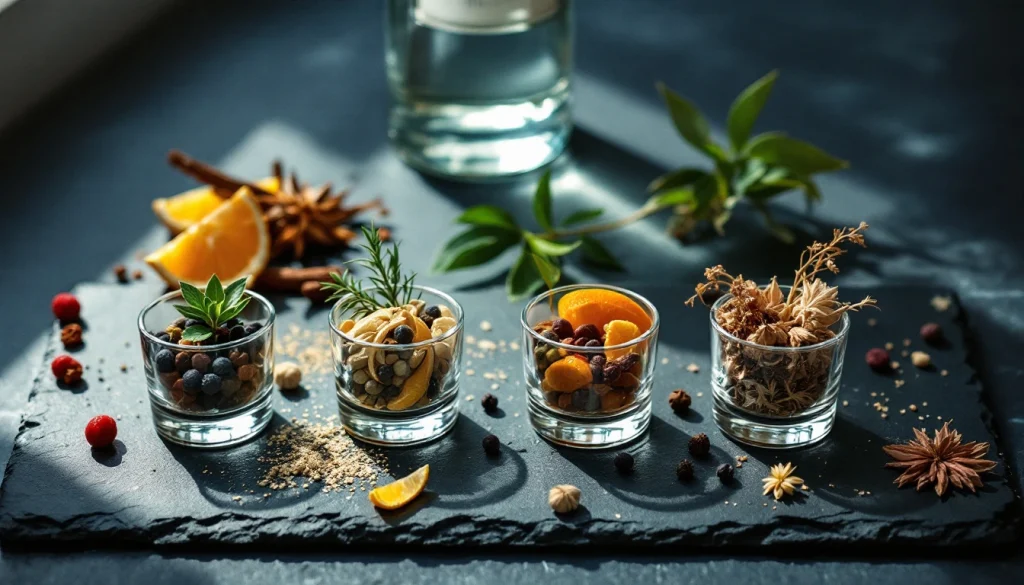
The Elephant Gin German Sloe Gin begins with the distillery’s core London Dry expression as its foundation — a gin already distinguished by an uncommon botanical bill that includes African ingredients such as buchu, African wormwood, baobab, and Devil’s Claw, alongside more familiar European botanicals like juniper, elderflower, and pimento berries. This unconventional base lends the sloe gin a more nuanced character than many of its peers, which tend to rely on more straightforward dry gin foundations.
On the nose, one might reasonably expect the dark, jammy richness typical of sloe gin, here potentially softened by the herbal and slightly medicinal qualities of the African botanicals carried forward from the base. The palate is likely to offer a balance between the fruit-forward sweetness of the macerated sloes and a gently herbaceous undercurrent — less purely confectionery than some commercially produced sloe gins, and more layered in its finish. The colour is a deep, inky garnet, which speaks to a generous maceration period.
It is worth noting that sloe gin sits at a lower ABV than standard gin — typically around 25–30% — which makes the texture richer and the drinking experience more leisurely. This expression appears to follow that convention, presenting as a sippable, fruit-driven spirit that does not sacrifice depth for sweetness.
For those who appreciate how fruit distillates and macerated spirits can carry botanical complexity in unexpected ways, it may be worth comparing this expression to something like Kunstwerk London Dry Gin, another German producer exploring the interplay between precision and botanical character.
How to Drink It
Sloe gin rewards simplicity. The most straightforward serve is also, arguably, the most revealing: neat, at room temperature or lightly chilled, in a small stemmed glass or a tulip-shaped nosing glass. This approach allows the full aromatic range to present itself without dilution or interference.
For a longer drink, sloe gin pairs well with tonic — preferably a light, low-sweetness tonic that does not compete with the fruit — over ice, with a garnish of a single fresh blackberry or a thin strip of orange peel. The citrus complements the jammy fruit notes while the bitterness of the tonic provides a gentle counterpoint.
In cocktails, The Elephant Gin German Sloe Gin can serve as the principal spirit in a Sloe Gin Fizz — a simple combination of sloe gin, fresh lemon juice, a small measure of simple syrup, and chilled soda water, served tall over ice. The herbal undertones from the African botanical base may add an interesting dimension to what is otherwise a straightforward, refreshing serve.
It also works thoughtfully in a Sloe Negroni variation: replacing the sweet vermouth with sloe gin in a standard Negroni build introduces a fruit-forward sweetness that softens the bitterness of the Campari while preserving the drink’s structural elegance. A wide orange peel expressed over the glass is the natural garnish here.
Glassware matters less with sloe gin than with many other spirits, but a rocks glass or a coupe both serve it well. Avoid oversized wine glasses, which can dissipate the aromatics before they reach the nose.
Who Will Appreciate This Gin
This expression will likely resonate most with drinkers who already have some familiarity with gin and are curious about the broader category of liqueurs and macerated spirits that sit adjacent to it. Those who appreciate complexity without aggression — a spirit that reveals itself gradually rather than all at once — will find it worth their attention.
It is also well suited to drinkers who are drawn to spirits with a meaningful story behind them. The conservation mission at the heart of The Elephant Gin brand is substantive, and for those who prefer their purchases to carry some weight beyond the liquid itself, that context adds a layer of satisfaction to each pour.
Newcomers to sloe gin who want an introduction that goes beyond the straightforwardly sweet will find this a rewarding starting point. Similarly, those familiar with the category who want to explore how a botanically adventurous base spirit transforms the final expression will find the comparison illuminating. Fans of fruit-forward European spirits more broadly — such as those drawn to the softly botanical character found in Gin Balthazar London Dry Gin — may find this a natural companion on their shelf.
A Closing Thought
The Elephant Gin German Sloe Gin is a considered expression from a distillery that has earned a credible reputation by doing things deliberately. Its combination of an unusually botanical base gin and the classic tradition of sloe maceration produces something that sits comfortably apart from the mass-produced end of the sloe gin market. For those who appreciate spirits that carry both craft and purpose, it is a bottle that merits a place on the shelf.