
Gin is one of the more rewarding spirits to understand. It rewards curiosity. Unlike many categories where a single dominant style defines the experience, gin encompasses a remarkable range of botanical profiles, production approaches, and regional traditions — from the restrained juniper-forward character of a classic London Dry to the sun-warmed citrus of a Mediterranean expression or the delicate florals of a contemporary craft release. If you have ever felt uncertain about where to begin, or wondered whether you have been drinking gin in a way that does full justice to the bottle in front of you, this guide is here to provide some clarity.
Start With the Spirit Itself
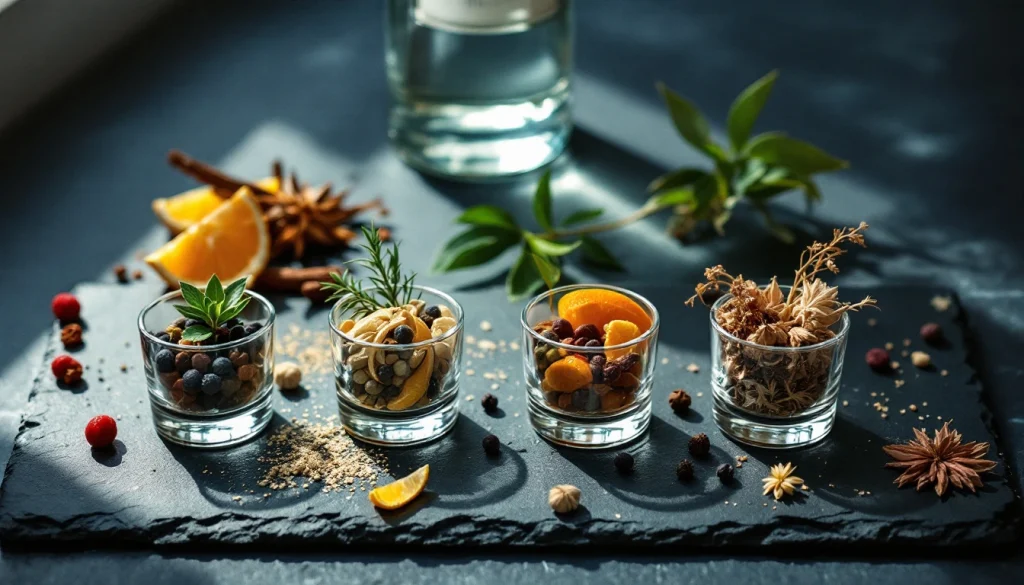
Before reaching for a mixer, we suggest taking a moment with the gin on its own. Pour a small measure — perhaps half an ounce — into a tulip-shaped glass or a white wine glass, both of which concentrate the aromas in a way a rocks glass does not. Hold it at eye level, note the color, then bring it slowly to your nose. Gin is a botanical spirit, and its complexity reveals itself in layers: juniper first in most expressions, then perhaps citrus peel, coriander seed, orris root, or something more uncommon.
Consider, for example, the botanical intrigue in a bottle like Hapusa Himalayan Dry Gin, where Himalayan juniper, raw mango, and gondhoraj lime create a profile that rewards this kind of attentive nosing before a single drop of tonic enters the picture. Similarly, ST. George Terroir Gin offers an almost landscape-like aromatic experience — Douglas fir, California bay laurel, and coastal sage — that benefits from a moment of quiet attention before it meets ice.
Once you have nosing, take a small sip neat. You do not need to enjoy gin this way — many people do not, and that is entirely reasonable — but doing so even briefly gives you a reference point for the spirit’s character that informs every serve you explore afterward.
The Classic Serves: Tonic, Soda, and Neat
The gin and tonic remains the most widely appreciated way to drink gin, and with good reason. Tonic water’s quinine bitterness provides a natural counterpoint to juniper’s resinous quality, and the effervescence opens up the botanicals in ways that still water cannot. That said, not all tonics pair equally well with all gins. A highly aromatic, citrus-led expression such as Malfy Con Aranica can be overwhelmed by an assertive tonic; a lighter, more neutral tonic lets the blood orange character speak without interference. Conversely, a robust, juniper-forward gin holds its own against a more bitter, full-flavored tonic water.
As a general principle, we suggest matching the intensity of the gin to the intensity of the tonic. Light gin, light tonic. Bold gin, a tonic with some character.
The ratio matters, too. A one-to-two ratio of gin to tonic — roughly two ounces of gin to four ounces of tonic — preserves the spirit’s presence without letting the mixer dominate. Some prefer a longer drink, especially in warmer months, and there is nothing to argue with in a well-iced highball that stretches to one-to-three.
For those who prefer a less sweet serve, gin with chilled soda water is an underappreciated option. It provides dilution and lift without adding sweetness, which allows the botanical profile — particularly in a dry, complex gin like Ginnlich Hamburg Dry Gin — to remain the central character.
Neat, with no accompaniment, is a fine approach for aged or particularly nuanced gins. Expressions such as Bluecoat Barrel Finished Gin or Collesi Gin Barrel have been shaped by time in wood, and drinking them neat — perhaps with a single large ice cube to temper the alcohol gently — allows you to appreciate that character without distraction.
Glassware, Ice, and Garnish
These details are often treated as afterthoughts, but each one meaningfully affects the experience of drinking gin.
Glassware. The balloon glass — wide, bulbous, stemmed — has become the standard for gin and tonic in much of Europe, and it performs well: the large bowl traps aromas, and the stem keeps your hand from warming the drink. Copa glasses work on the same principle. A highball is an equally valid choice, particularly for longer, icier serves. Avoid small tumblers for gin and tonic; they do not leave room for ice, tonic, and the botanical aromas that make the drink worth drinking.
Ice. Use more of it than you think you need, and use it cold. A glass packed with ice chills more efficiently and melts more slowly than a few lonely cubes floating in a half-warm drink. Large format ice — spheres or square blocks — melts even more slowly, which is particularly worthwhile when drinking gin with soda or neat over ice.
Garnish. A garnish is not merely decorative. A strip of citrus peel, expressed over the glass and dropped in, contributes aromatic oils that integrate with the gin’s botanicals. A sprig of rosemary or a cucumber ribbon can achieve similar effects. The key is to align the garnish with the gin’s dominant character: citrus garnishes with citrus-forward gins, herbal garnishes with botanical-heavy expressions, and so on. A floral gin like Glendalough Wild Rose Irish Gin is complemented beautifully by a few dried rose petals or a thin slice of fresh strawberry.
Exploring Gin Through Cocktails
Cocktails represent one of the most rewarding approaches to understanding gin’s range. The Martini — gin, dry vermouth, and a twist or olive — is perhaps the most revealing cocktail for gin appreciation, because there is nowhere for the spirit to hide. The vermouth adds depth without obscuring the gin’s character, and the result is a drink that changes meaningfully depending on which gin you use. A classic, juniper-forward expression will produce a very different Martini than a soft, floral contemporary gin.
The Negroni — equal parts gin, sweet vermouth, and Campari — offers a more forgiving introduction for those still developing their palate. Its balance of bitter, sweet, and botanical is approachable, and it responds well to experimentation. A barrel-aged gin such as Four Pillars Old Tom Gin brings a gentle sweetness to a Negroni that softens its edges without diminishing its depth.
For something lighter, the Tom Collins — gin, fresh lemon juice, simple syrup, and soda — is a gin cocktail with centuries of history behind it, and it remains a considered, elegant way to appreciate the spirit in warm weather.
We also suggest exploring how gin producers intended their bottles to be served. Distillers who have worked with distinctive regional botanicals — such as the inspired team behind Cherrapunji Eastern Craft Gin from India’s northeastern highlands — often share serve recommendations that reflect intimate knowledge of their own botanical choices. Those suggestions are worth taking seriously.
A Note on Finding Your Approach
There is no single correct way to drink gin. What we suggest is simply this: approach it with some curiosity, allow the botanical profile to inform your choice of mixer and garnish, and do not feel confined to the same serve every time. Gin is a spirit that invites exploration, and the more you sample across styles, regions, and serves, the more you will begin to recognize — and appreciate — what makes each bottle particular.
Our gin brand directory is a useful place to continue that exploration, with listings covering distilleries from across the world and the full range of contemporary gin styles.