

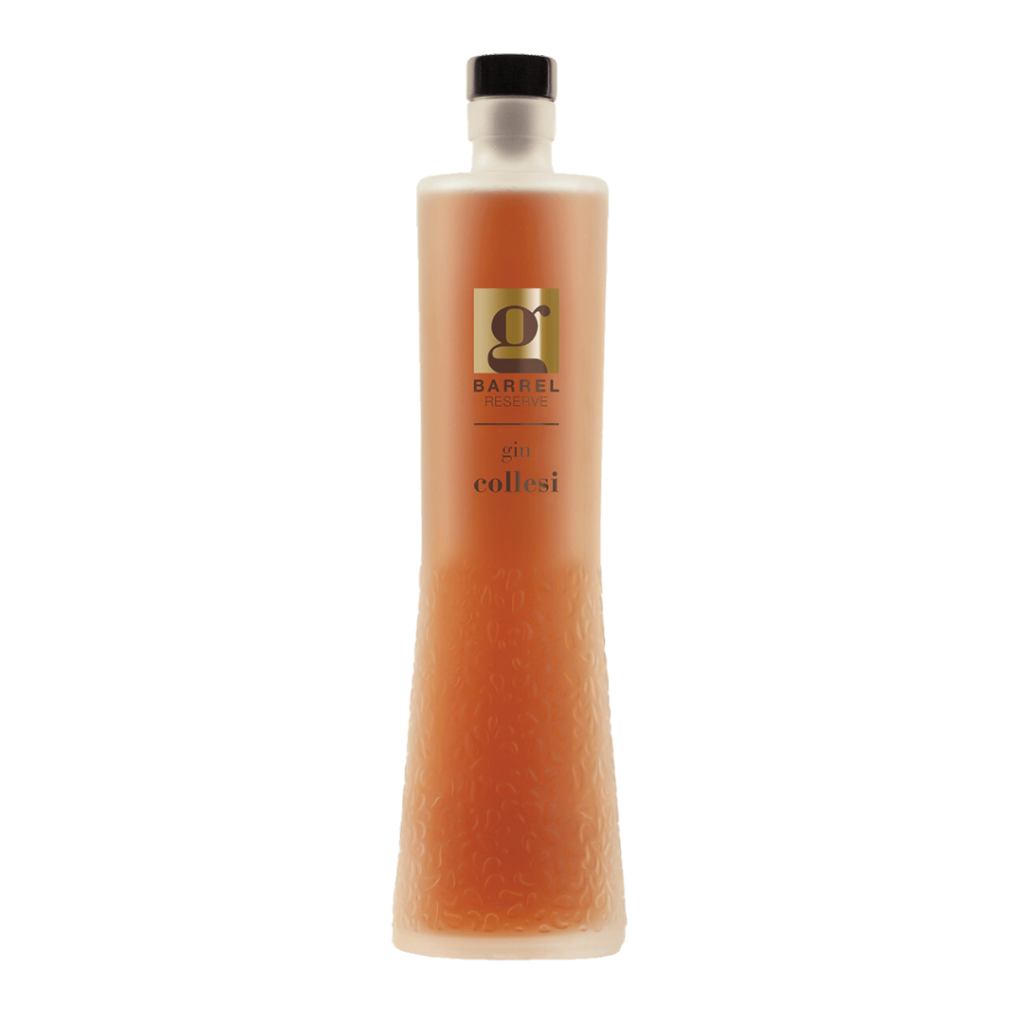

Barrel-aged gin occupies a curious and rewarding space within the broader world of the spirit. It asks drinkers to set aside their expectations of bright, unmediated botanicals and consider something slower, warmer, and more considered. Collesi Gin Barrel is one such expression — an Italian gin that arrives coloured by time spent in wood, carrying with it the influence of a craft brewing tradition and a distinctly regional sensibility. It is a bottle worth pausing over.
Background: A Brewer’s Approach to Gin
Collesi is a producer rooted in the Marche region of central Italy, an area known more for its rolling hills, white wines, and artisan food culture than for distilled spirits. The house made its name in craft beer before turning its attention to gin — and that background is not incidental. Brewers tend to think in fermentation, in ingredient interaction, in patience. Those sensibilities carry through into the Gin Barrel expression.
The gin is produced in small batches and then rested in oak barrels, a process that softens the more angular botanical notes and introduces layers of warmth and texture that a clear, unaged spirit would not possess. Italy has produced a number of inventive gins in recent years — among them Ginificio Microdistillery’s Ginuno and the striking Gin Fabbri Dry Gin with Pure Amarena Fabbri Distillate — and Collesi Gin Barrel sits comfortably within that wave of thoughtful, craft-led Italian production.
Botanicals and Flavour Profile
Collesi does not publish an exhaustive botanical bill for the Gin Barrel, which is not unusual for a producer that prefers to let the liquid speak for itself. What can be said with confidence is that the base botanical structure follows a juniper-forward foundation — as any credible gin should — with supporting notes that suggest warmer spice elements, dried citrus, and herbal complexity.
The barrel resting period adds a quality that is worth understanding independently of the botanicals. Oak influence in gin tends to introduce vanilla, light caramel, and a certain roundness on the palate. In the case of the Gin Barrel, these qualities appear to integrate rather than overpower — the result reads as a gin that has been softened and given depth by wood, rather than one that has been transformed into something closer to whisky or brandy.
On the nose, one might reasonably anticipate warm spice, dried fruit, and a gentle earthiness beneath the juniper. On the palate, the oak likely contributes a smooth, almost velvety texture, with the botanical character emerging gradually rather than arriving all at once. The finish is expected to be longer than a standard unaged expression, with lingering warmth.
Those who appreciate aged spirits — whether whisky, Cognac, or barrel-finished expressions from other categories — will likely find the Gin Barrel’s profile familiar in structure if not in flavour. It rewards attentive sipping.
How to Drink It
Barrel-aged gin often benefits from approaches that honour its complexity rather than overwhelm it. The Collesi Gin Barrel is well suited to drinking neat or over a single large ice cube, which allows the oak and botanical layers to present themselves gradually as the temperature shifts. A wide-brimmed glass — a rocks glass or a copa used with restraint — works well for this purpose.
If mixing is preferred, we suggest keeping combinations simple. A short serve with a quality ginger ale and a twist of orange peel allows the spice notes to carry through without drowning the wood-influenced character. A classic Negroni is also worth considering: the bitterness of Campari and the sweetness of vermouth tend to complement an aged gin’s warmer profile rather than clash with it.
Garnishes, where used, should lean toward the aromatic and warm — a strip of orange peel, a cinnamon stick rested alongside the glass, or a few drops of aromatic bitters. Avoid garnishes that introduce sharp green or floral notes, as these can work against the aged quality of the gin.
If you are exploring barrel-aged or wood-influenced gins more broadly, the Bluecoat Barrel Finished Gin offers an instructive point of comparison — a well-regarded American example of what oak can contribute to the category.
Who Will Appreciate It
The Collesi Gin Barrel is not an entry-level gin, nor is it intended to be. Its appeal is most likely to resonate with drinkers who already have some familiarity with gin’s range and who are curious about what ageing can bring to the spirit. Whisky drinkers who have been cautious about gin may find this expression a more comfortable point of entry — the barrel character provides a structural familiarity that unaged expressions do not offer.
It will also appeal to those with an interest in Italian craft production, or in gin that carries a clear sense of place and process. Collesi approaches the Gin Barrel with the patience one associates with fermentation-minded producers, and that approach tends to produce results that reward drinkers who are willing to pay attention.
Those who prefer crisp, bright, citrus-forward gins served long with tonic may find the Barrel’s profile less immediately approachable — and that is perfectly reasonable. The pleasure here is of a different register.
Closing Verdict
Collesi Gin Barrel is a considered and characterful expression from a producer whose roots in craft brewing appear to have informed its approach to distillation. The barrel ageing adds genuine depth without obscuring the spirit’s identity as a gin. For those who appreciate slower, more layered spirits, it is a bottle worth seeking out.


